
Official News Report | Eye on Western North Digital
Credit: Bretuo Nana Korankye Apomuden
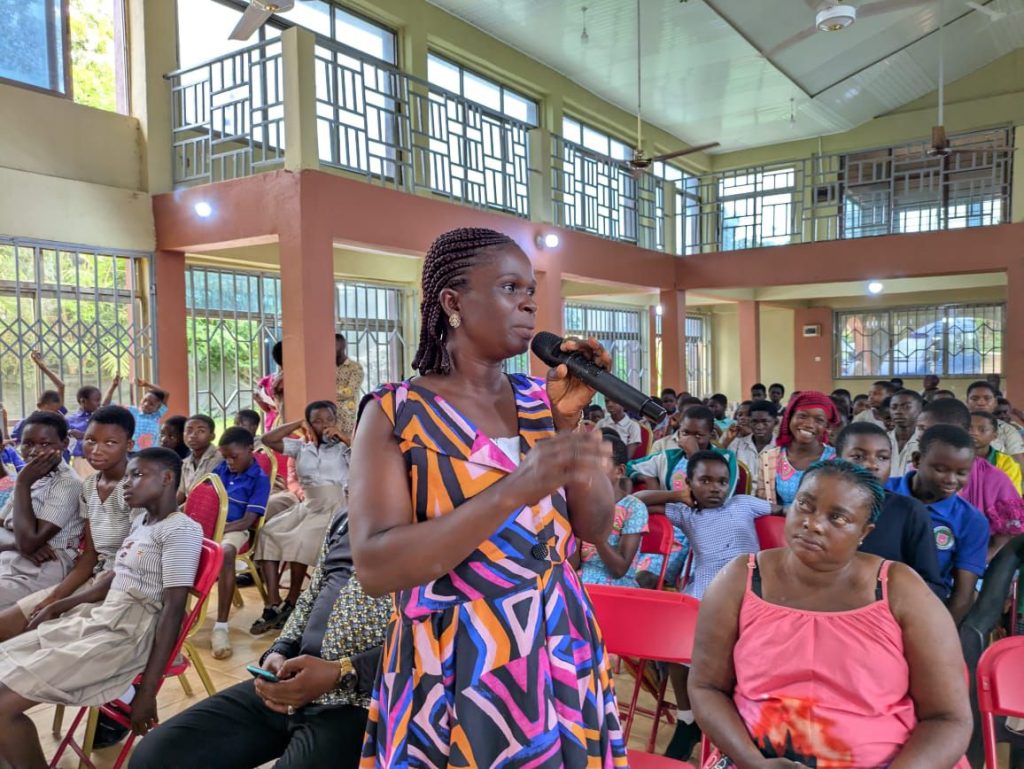
World Vision Ghana, Bodi Area Development Program, has marked the 2026 Menstrual Hygiene Day with an educational outreach programme aimed at promoting menstrual health awareness, breaking stigma, and empowering pupils at Amoaya community.
The event, held on 4 June 2026, brought together 563 students for a durbar, with 265 boys and 298 girls participating in an interactive session designed to deepen their understanding of menstruation and encourage open, stigma-free discussions.
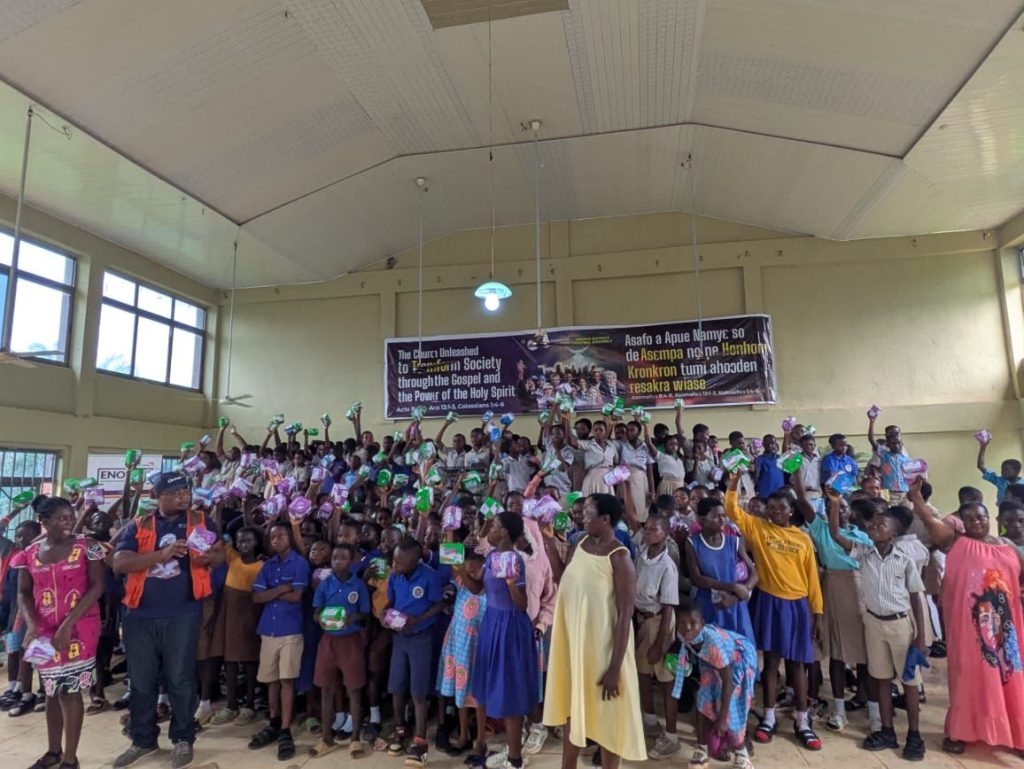
Organised by World Vision Ghana, Bodi Area Development Program, in collaboration with Ghana Health Service and Ghana Education Service in the district, the programme focused on equipping pupils with accurate knowledge of the menstrual cycle, promoting good hygiene practices, and encouraging boys to play supportive roles in fostering a safe and inclusive school environment.
Leading the educational session, the Project Officer in Charge of Health, Nutrition and WASH activities for World Vision Ghana, Stephen Tetteh Matey, took students through an interactive discussion on the female reproductive system, stages of the menstrual cycle, and best practices for maintaining menstrual hygiene.
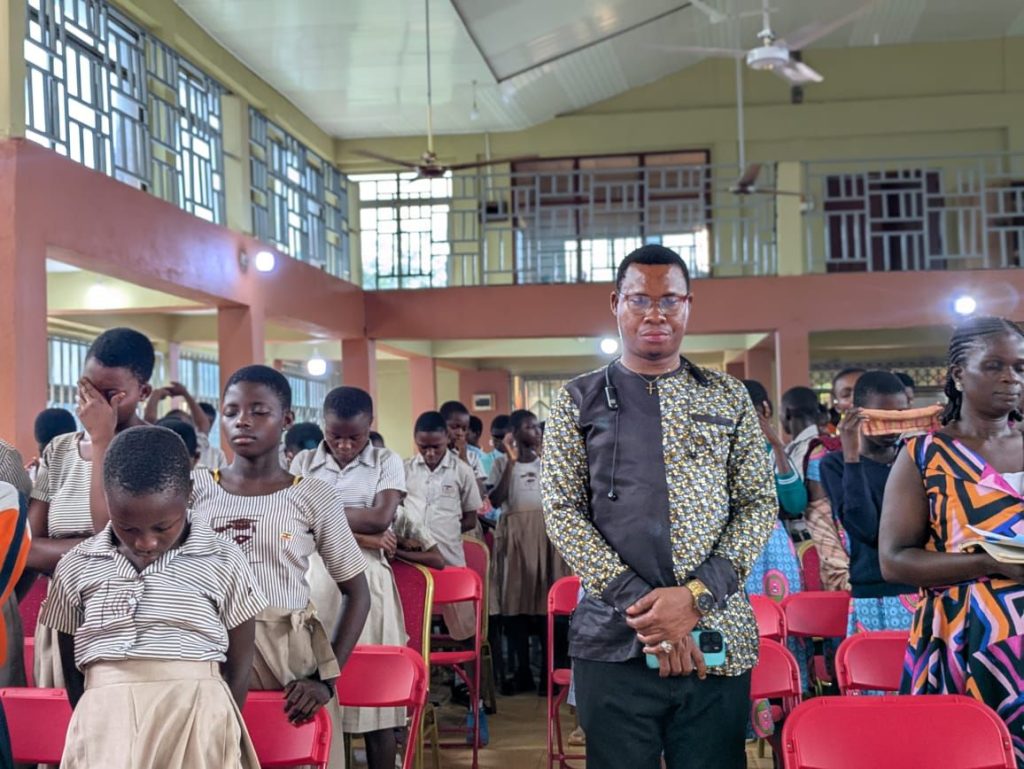
He emphasised that menstruation is a normal biological process and should not be a barrier to education or participation in school activities.
As part of the engagement, students participated in a session to address common misconceptions about menstruation. Statements such as “Menstruation is a normal and natural process in girls” and “Girls who are menstruating should not attend school” were used to encourage critical thinking and correct misinformation.
Students were also educated on the physical and emotional symptoms associated with menstruation, including cramps, fatigue, headaches, mood swings, and irritability. Facilitators noted that understanding these experiences helps foster empathy among peers and teachers.
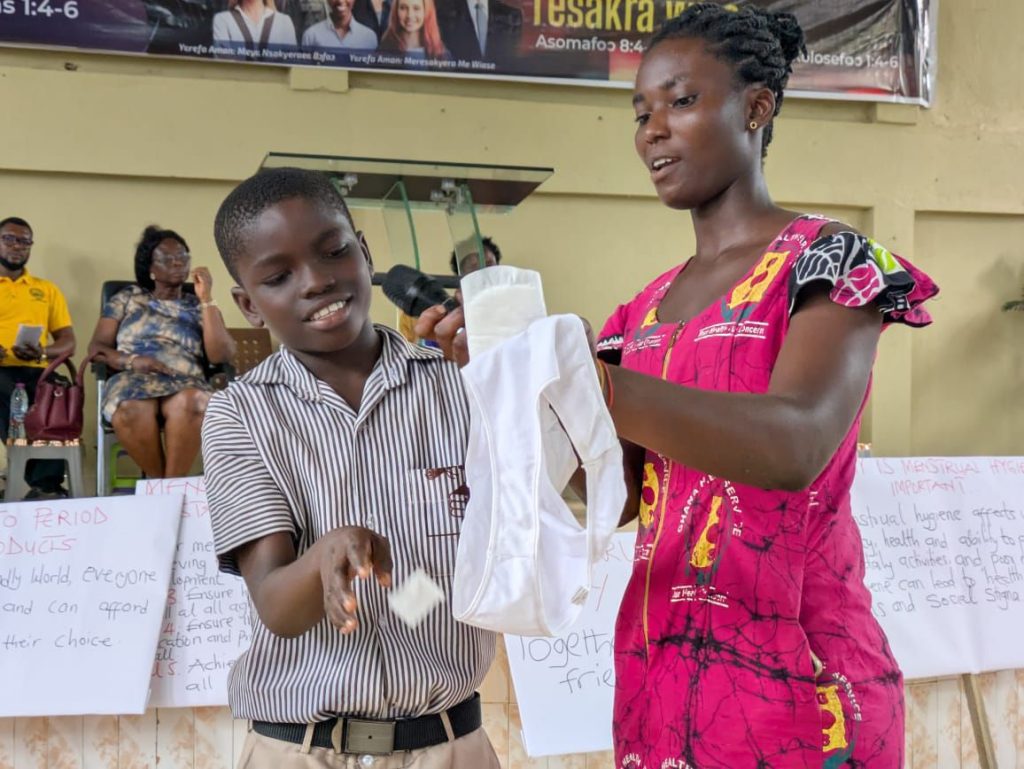
The session further included practical demonstrations on menstrual hygiene management, such as the proper use and disposal of sanitary pads, the importance of regular pad changes, handwashing, bathing, and the preparation of a personal “period kit” containing essentials like sanitary pads, spare underwear, and pain relief items.
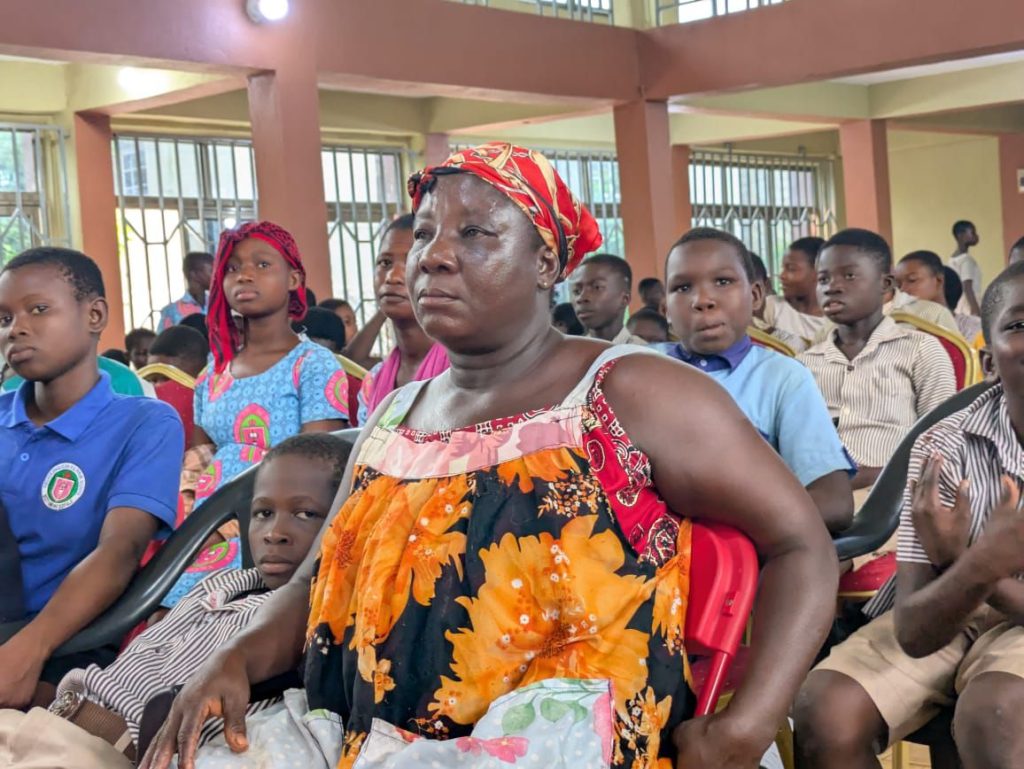
A key component of the programme was the emphasis on boys acting as allies. They were encouraged to support their female classmates by showing respect, offering help when needed, avoiding stigma or teasing, and speaking out against bullying related to menstruation.
In addition to the durbar, community education on Menstrual Hygiene Management was conducted for 9 schools in the area, with 545 students in attendance – 291 boys and 254 girls.
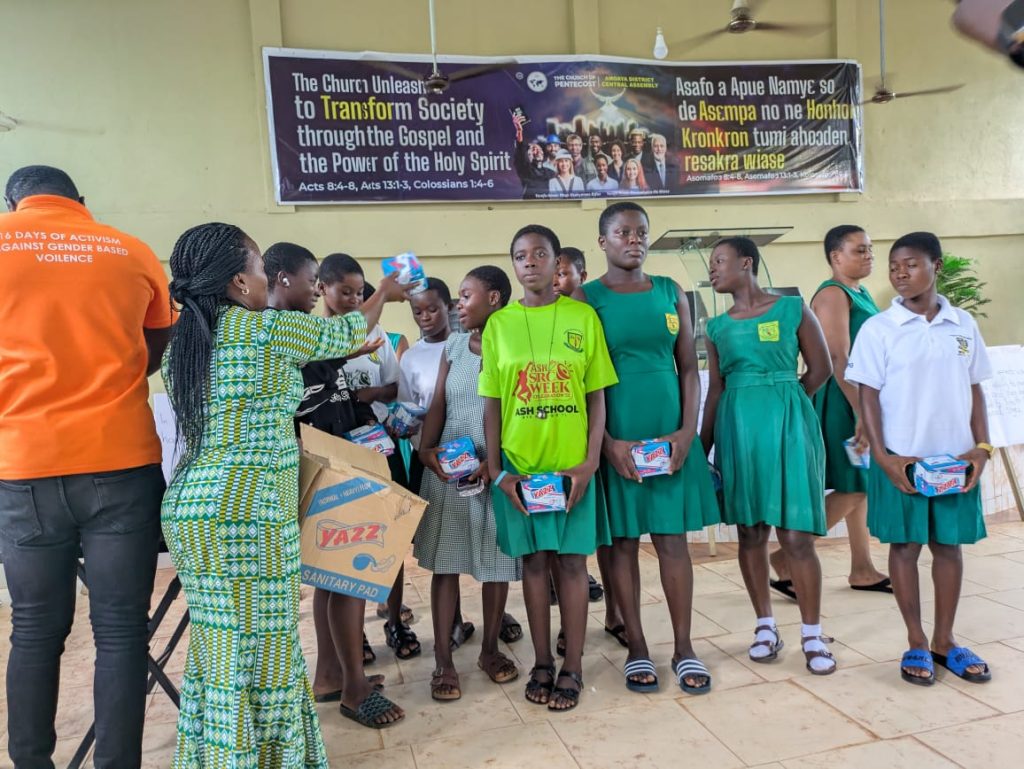
Beyond education, the programme also included material support for students. About 600 sanitary pads were distributed to ensure girls had access to essential menstrual hygiene products. Organisers also shared refreshments with pupils and teachers to create a welcoming and engaging atmosphere.
The initiative is expected to improve knowledge about menstrual health, reduce stigma, and strengthen a supportive school environment where menstruation is openly discussed and properly understood.
Some students also shared their experiences and what they learnt and thanked World Vision Ghana for their invaluable support during the celebration.